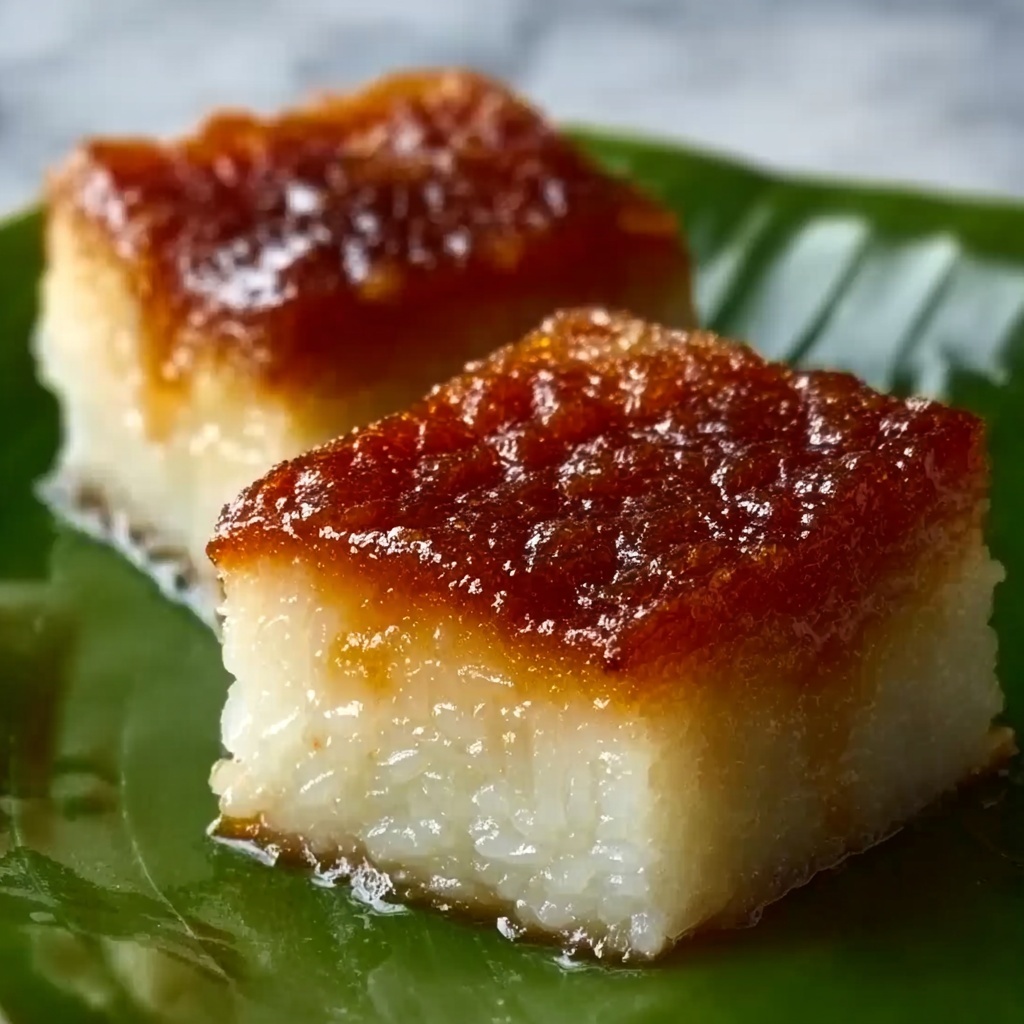
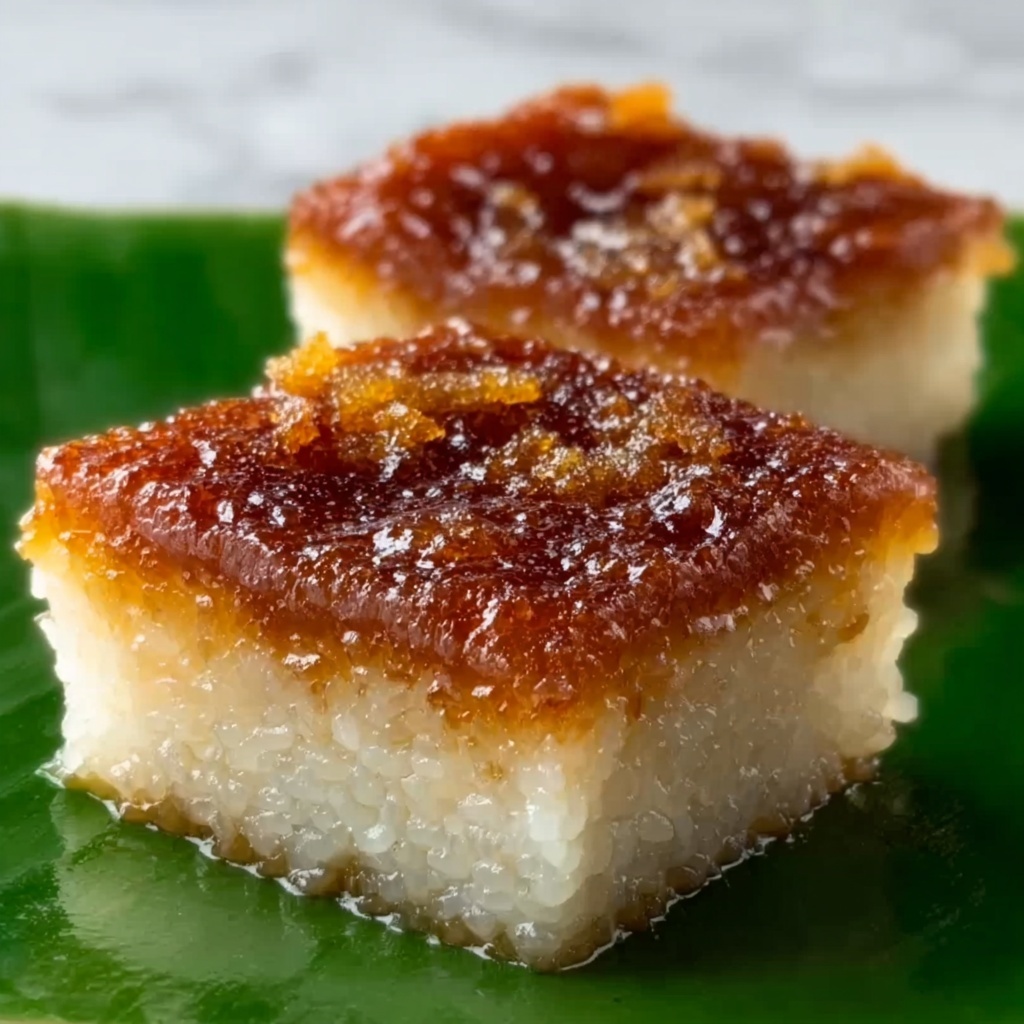
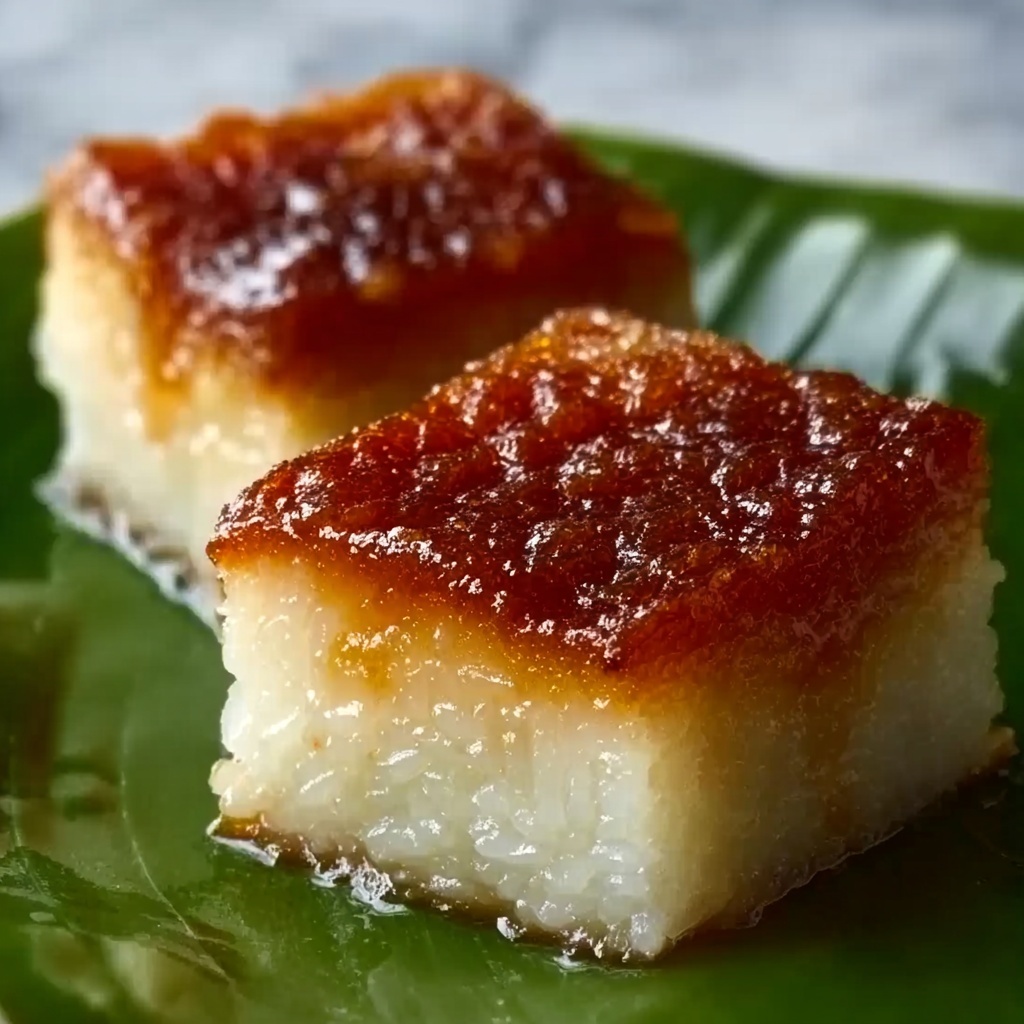
If you’ve ever craved a dessert that feels like a warm hug wrapped in sweetness and the rich flavor of coconut, then this Biko (Filipino Sticky Rice Cake) Recipe is going to become a fast favorite. This traditional Filipino treat boasts tender, sticky glutinous rice soaked in creamy coconut milk, sweetened with brown sugar, and topped with those irresistible caramelized coconut curds called latik. It’s not just a cake; it’s a comforting experience that brings people together, perfect for celebrations or simply treating yourself to a little taste of Filipino heritage.
Ingredients You’ll Need
Getting the ingredients right is key to nailing this Biko (Filipino Sticky Rice Cake) Recipe. Luckily, the list is simple but each component plays a vital role in creating its signature flavor and silky texture.
- Glutinous rice: This sticky rice variety is essential for that classic chewy texture only Biko can deliver.
- Coconut milk: Adds creaminess and richness that infuses the rice with tropical aroma and flavor.
- Water: Helps cook the rice evenly while balancing the coconut milk’s richness.
- Brown sugar: Provides deep caramel sweetness that perfectly complements the coconut.
- Pinch of salt: Enhances all the sweet and creamy flavors without overpowering them.
- Additional coconut milk (for latik): Used to make those golden latik coconut curds that add texture and that irresistible caramelized topping.
How to Make Biko (Filipino Sticky Rice Cake) Recipe
Step 1: Prepare the Glutinous Rice
Start by rinsing 2 cups of glutinous rice under cold water until the water runs clear; this removes excess starch and helps the rice cook evenly. Then, soak the rice in fresh water for at least 30 minutes to soften the grains, ensuring a beautifully sticky yet tender texture once cooked.
Step 2: Cook the Rice
Drain the soaked rice and combine it with 1 ½ cups of coconut milk and ½ cup of water in a pot. Cook the mixture over medium heat, stirring constantly to avoid burning, until the rice absorbs the liquid and becomes thick and creamy. This step is crucial to achieve Biko’s luscious consistency.
Step 3: Add the Brown Sugar
Once the rice is tender, stir in 1 cup of brown sugar and a pinch of salt. Continue cooking gently while stirring until the sugar completely dissolves and the mixture thickens into a sticky, glossy mass. You’ll notice the aroma deepen—it’s pure Filipino dessert magic at work.
Step 4: Transfer and Flatten
Grease a baking pan and transfer the rice mixture into it, then use the back of a spatula to evenly flatten and smooth the surface. This creates a uniform layer that sets beautifully after cooling, making it easier to slice and serve.
Step 5: Prepare and Add the Latik Topping
To make the latik, simmer 1 cup of coconut milk in a pan over medium heat until it reduces substantially and separates, forming golden coconut curds and oil. Drain the latik curds and generously sprinkle them over the surface of your Biko — these crispy bits are what take this cake from delicious to unforgettable.
Step 6: Cool and Serve
Allow the Biko to cool completely at room temperature. This resting time is essential because it lets the cake set firmly so it can be sliced into perfect squares without crumbling. Then—dig in and enjoy that wonderful chewy, sweet, and creamy bite!
How to Serve Biko (Filipino Sticky Rice Cake) Recipe
Garnishes
While the latik topping is traditional and heavenly, you can also sprinkle a few toasted sesame seeds or a light dusting of grated coconut for extra texture. These garnishes add subtle nuttiness and make each piece visually inviting.
Side Dishes
Biko pairs wonderfully with hot tea or coffee, balancing out its sweetness. For a fuller snack, serve alongside fresh tropical fruits like ripe mangoes or slices of sweet banana to introduce a refreshing counterpoint.
Creative Ways to Present
Looking to impress guests? Try serving Biko in individual ramekins or layered glass jars topped with latik and a sprinkle of toasted coconut flakes. It’s a charming, Instagram-worthy twist on a classic Filipino dessert.
Make Ahead and Storage
Storing Leftovers
You can store leftover Biko in an airtight container in the refrigerator for up to 3 days. Keep it covered well to prevent it from drying out and losing its lovely sticky texture.
Freezing
Biko freezes incredibly well. Wrap individual portions tightly in plastic wrap and place them in a freezer-safe bag or container. It will keep for up to one month. Just thaw it in the refrigerator overnight before reheating.
Reheating
To bring back that soft, melty texture, reheat leftover Biko gently in the microwave or steam it for a few minutes. Adding a splash of coconut milk before reheating can help restore its creamy richness beautifully.
FAQs
Can I use regular rice instead of glutinous rice for Biko?
Glutinous rice is essential for that sticky, chewy texture unique to Biko. Using regular rice won’t yield the same result, as it lacks the needed stickiness. For best authenticity and texture, stick to glutinous rice.
Is there a substitute for brown sugar?
While brown sugar is traditional for its deep caramel flavor, you can use muscovado sugar or coconut sugar for a similar taste. Avoid white granulated sugar as it won’t develop that rich flavor and color.
What is latik, and can I skip it?
Latik are the golden coconut milk curds that form when coconut milk simmers down. They add a delightful crunchy caramelized topping. You can skip it, but it does add a signature texture and flavor that completes Biko beautifully.
How long does it take to cook Biko?
From start to finish, making Biko (Filipino Sticky Rice Cake) Recipe takes about 1 hour and 20 minutes, including soaking rice, cooking, preparing latik, and cooling time.
Can Biko be made vegan or dairy-free?
Biko is naturally dairy-free and vegan since it uses coconut milk instead of dairy. It’s a perfect dessert choice if you’re avoiding animal products while still craving something indulgent.
Final Thoughts
This Biko (Filipino Sticky Rice Cake) Recipe is more than just a dessert; it’s a celebration of comfort, culture, and simple but powerful ingredients coming together. Whether you’re sharing it at a family gathering or enjoying it quietly with a cup of your favorite drink, I hope this sticky rice cake warms your heart as much as it does mine. Give it a try—you might just discover your new go-to sweet treat!
Print
Biko (Filipino Sticky Rice Cake) Recipe
- Prep Time: 40 minutes
- Cook Time: 40 minutes
- Total Time: 1 hour 20 minutes
- Yield: 9 servings
- Category: Dessert
- Method: Stovetop
- Cuisine: Filipino
Description
Biko is a traditional Filipino sticky rice cake made from glutinous rice cooked in coconut milk and brown sugar, topped with crunchy latik coconut curds. This dessert is beloved for its creamy, sweet texture and rich coconut flavor, perfect for special occasions or as a comforting treat.
Ingredients
Sticky Rice Mixture
- 2 cups glutinous rice
- 1 ½ cups coconut milk
- ½ cup water
- 1 cup brown sugar
- Pinch of salt
Latik Topping (Coconut Curds)
- 1 cup coconut milk
Instructions
- Prepare the Glutinous Rice: Rinse 2 cups of glutinous rice under cold water until the water runs clear, then soak it in water for at least 30 minutes to soften the grains for even cooking and improved stickiness.
- Cook the Rice: Drain the soaked rice and combine it with 1 ½ cups of coconut milk and ½ cup of water in a pot. Cook over medium heat, stirring constantly to prevent burning, until the rice is tender and absorbs the liquid, forming a thick, creamy consistency.
- Add the Brown Sugar: Stir in 1 cup of brown sugar and a pinch of salt into the cooked rice mixture. Continue cooking and stirring gently until the sugar dissolves completely and the mixture thickens, becoming glossy and sticky.
- Transfer to a Pan and Flatten: Pour the thickened rice mixture into a greased baking pan. Using the back of a spatula, evenly flatten and smooth the surface to create an even layer for the final cake.
- Prepare and Add the Latik Topping: To make latik, simmer 1 cup of coconut milk over medium heat until it reduces and separates into golden coconut curds and oil. Drain the curds and spread them evenly over the top of the Biko for a crunchy, caramelized finish.
- Cool and Serve: Allow the Biko to cool completely at room temperature before slicing into squares. This helps the cake set properly and prevents it from crumbling when cut.
Notes
- Soaking the glutinous rice improves texture and helps achieve the desired stickiness.
- Constant stirring during cooking prevents the rice mixture from sticking and burning at the bottom of the pot.
- Latik topping adds a delightful crunch and traditional flavor; do not discard the coconut oil left after making latik, it can be saved for cooking.
- Let the Biko cool completely to ensure neat slicing and better texture.
- Use a non-stick or well-greased pan to avoid the rice cake sticking to the baking dish.