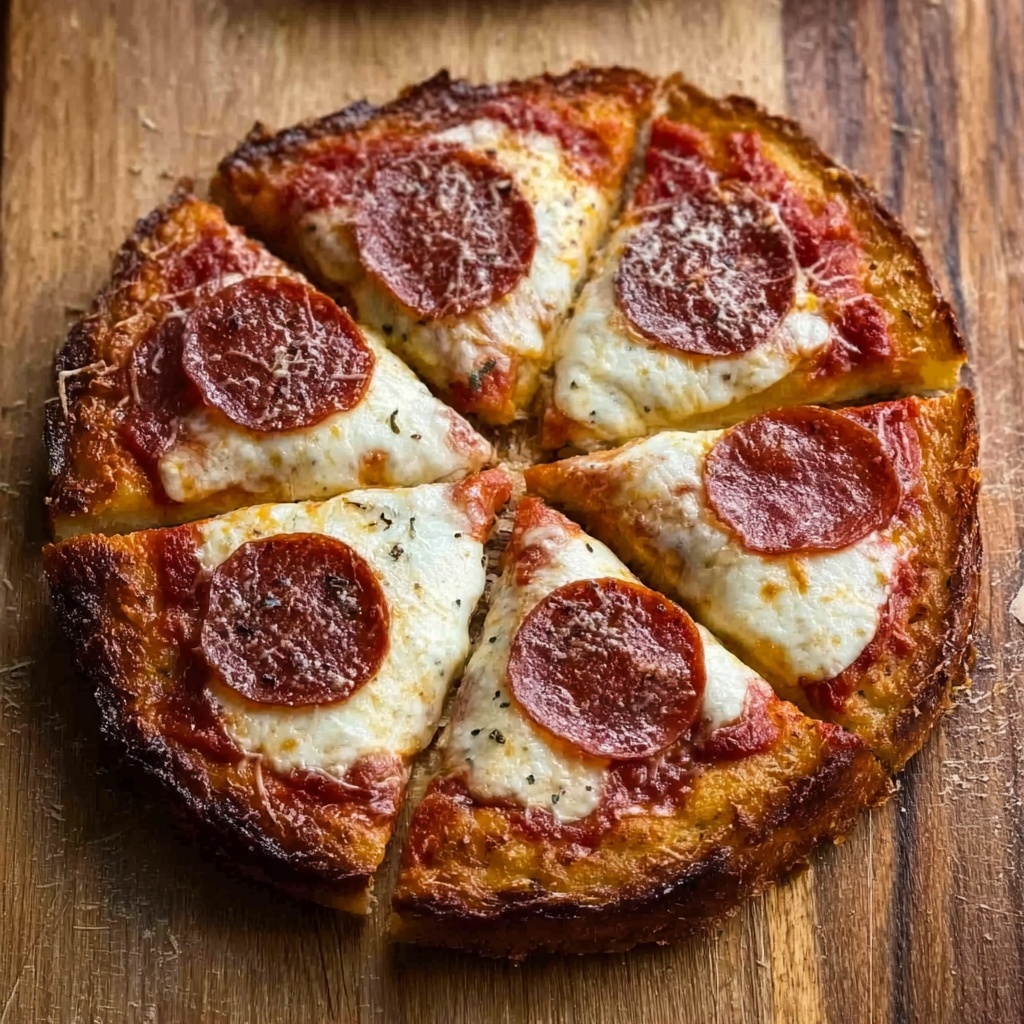
If you’ve ever dreamed of achieving that perfect pizzeria-style base right in your own kitchen, this Homemade Pizza Crust Recipe is your golden ticket. It’s wonderfully simple, using everyday pantry staples to create a dough that’s crisp on the outside, tender and chewy inside, and brimming with potential for every topping you crave. From the first bite, you’ll appreciate the art of making pizza dough from scratch — no more settling for store-bought crusts when you can impress friends and family with your own fresh, flavorful foundation.

Ingredients You’ll Need
Gathering the right ingredients is key, but don’t worry — this recipe relies on simple, easy-to-find items that work harmoniously. Each one plays a vital role in shaping the taste, texture, and rise of the dough.
- All-purpose flour: The backbone of your dough, providing structure and chewiness.
- Active dry yeast: This magical ingredient creates the airy, bubbly texture when activated properly.
- Warm water (about 110°F): The perfect temperature to wake up your yeast without killing it.
- Olive oil: Adds moisture and a lovely flavor while contributing to the dough’s tender crumb.
- Salt: Enhances flavor and tightens the gluten network for a pleasant bite.
- Sugar: Feeds the yeast and helps create a nice golden crust during baking.
How to Make Homemade Pizza Crust Recipe
Step 1: Activate the Yeast
Start by mixing warm water and sugar in a small bowl, just warm enough to feel comfortably hot but not scalding. Sprinkle the yeast on top and let it rest for 5 to 10 minutes. You’ll know it’s ready when the surface becomes foamy and bubbly — that’s the yeast waking up, a critical step for a beautifully risen crust.
Step 2: Mix Dry Ingredients
In a large bowl, whisk together the flour and salt. This ensures your salt is evenly distributed, which is important because you don’t want it to interfere with the yeast’s activity during rising.
Step 3: Combine Wet and Dry Ingredients
Pour the bubbly yeast mixture and olive oil into the flour and salt. Stir everything together until it starts to come together as a dough. At this point, things might feel a little shaggy and sticky, but that’s perfectly normal.
Step 4: Knead the Dough
Turn your dough out onto a lightly floured surface — this is where the magic happens. Knead it by hand for about 8 to 10 minutes until it transforms into a smooth, elastic ball. Kneading develops the gluten, which is key to getting that perfect chew in your crust.
Step 5: Let it Rise
Place your dough in a generously greased bowl and cover it with a clean kitchen towel or plastic wrap. Find a warm corner of your kitchen and let it rise for about one hour, or until it has doubled in size. This rest period is what creates those lovely air pockets in your final crust.
Step 6: Shape the Crust
Punch down the risen dough to release any large bubbles, then roll or stretch it out to your desired thickness. You can prepare your pizza on parchment paper for easy transfer, or roll it directly on a pizza stone if you have one. Now you’re all set for toppings and baking!
How to Serve Homemade Pizza Crust Recipe
Garnishes
While your crust serves as the star base, the toppings bring the personality. Fresh basil leaves, a drizzle of extra virgin olive oil, or a sprinkle of parmesan cheese can elevate your pizza instantly. Just remember, simple garnishes can highlight the robust flavor of your homemade crust.
Side Dishes
A crunchy side salad or roasted vegetables pair perfectly with your pizza, balancing the meal with freshness and texture contrast. For an authentic experience, consider serving with a tangy marinara dipping sauce or a bowl of garlic-infused olive oil for dipping the crust edges.
Creative Ways to Present
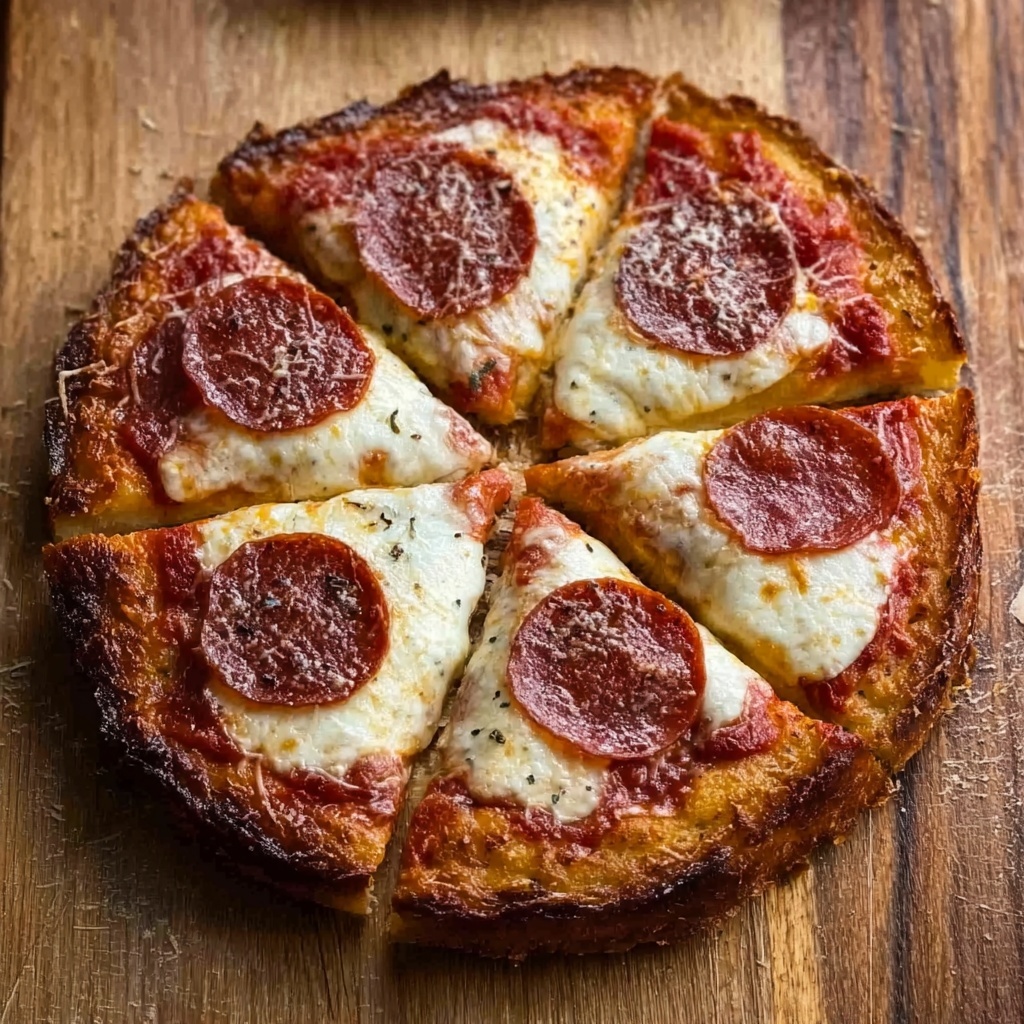
Get playful with your pizza presentation! Try making individual personal-sized pizzas using this Homemade Pizza Crust Recipe, or create a rustic pizza galette folding the edges over the filling. Served on a wooden board with colorful toppings arranged artfully, your pizza will be both a feast for the eyes and the palate.
Make Ahead and Storage
Storing Leftovers
If you have leftover pizza crust or pre-baked dough, wrap it tightly in plastic wrap or place it in an airtight container to keep it from drying out. Store it in the refrigerator and use within 2 to 3 days for best texture and flavor.
Freezing
This Homemade Pizza Crust Recipe freezes beautifully. After the initial rise, shape the dough into a ball, wrap it well in plastic wrap and foil, and freeze for up to 2 months. When you’re ready to use it, thaw it overnight in the refrigerator and let it come to room temperature before shaping.
Reheating
To reheat leftover pizza crust or baked pizza, a hot oven works wonders. Preheat to 375°F and warm for about 5 to 8 minutes to revive the crust’s crispness. Avoid the microwave if you want to keep the texture nice and chewy.
FAQs
Can I use whole wheat flour for this Homemade Pizza Crust Recipe?
Absolutely! You can substitute whole wheat flour for up to half of the all-purpose flour for a nuttier flavor and more fiber. Keep in mind that whole wheat flour absorbs more liquid, so you may need to adjust water quantities slightly.
Why does my pizza crust turn out tough?
Tough crust often results from overworking the dough or using too much flour during kneading. Make sure you knead just enough for elasticity and keep the dough slightly tacky to ensure a tender, chewy crust.
Can I make the dough without a stand mixer?
Yes! This recipe is perfect for hand kneading. While a stand mixer can save time, kneading by hand is rewarding and gives you a better feel for the dough’s texture as it develops.
How do I know if my yeast is still active?
If your yeast doesn’t foam or bubble after mixing with warm water and sugar, it’s likely expired or dead. Always check the expiration date and store yeast in a cool, dry place.
What’s the best oven temperature for baking pizza?
For a crispy crust and nicely melted toppings, bake your pizza at the highest temperature your oven can safely handle—usually around 475°F to 500°F. Preheating with a pizza stone can also recreate that perfect pizzeria-style bake at home.
Final Thoughts
There’s something truly joyful about pulling a fresh, golden crust from your oven that you made with your own two hands. This Homemade Pizza Crust Recipe is not only easy to follow but endlessly rewarding, providing the foundation for countless delicious creations. So roll up those sleeves, gather your ingredients, and discover how delightful homemade pizza can truly be!
Print
Homemade Pizza Crust Recipe
- Prep Time: 15 minutes
- Cook Time: 10 minutes (for baking separately, if desired)
- Total Time: 1 hour 25 minutes
- Yield: 8 servings
- Category: Bread/Dough
- Method: No-Cook
- Cuisine: Italian
Description
This classic pizza crust recipe yields a tender, chewy base perfect for any homemade pizza. The dough is made from simple pantry ingredients and requires only basic preparation steps. It features a yeasted dough that rises to create a light texture, offering the perfect foundation for your favorite toppings.
Ingredients
Dry Ingredients
- 3 ½ cups all-purpose flour
- 1 tsp salt
- 1 tsp sugar
- 1 packet (2 ¼ tsp) active dry yeast
Wet Ingredients
- 1 ¼ cups warm water (about 110°F)
- 2 tbsp olive oil
Instructions
- Activate the yeast: In a small bowl, mix the warm water and sugar. Sprinkle the active dry yeast on top and let it sit for 5-10 minutes until it becomes foamy, indicating that the yeast is active.
- Mix dry ingredients: In a large bowl, whisk together the all-purpose flour and salt to evenly distribute the salt in the flour.
- Combine wet and dry: Pour the foamy yeast mixture and olive oil into the bowl with the flour and salt. Stir the ingredients together until they begin to form a cohesive dough.
- Knead the dough: Transfer the dough onto a floured surface and knead it for 8-10 minutes until the dough is smooth, elastic, and no longer sticky.
- Let it rise: Place the kneaded dough in a greased bowl, cover it with a clean cloth or plastic wrap, and leave it in a warm area for about an hour until it doubles in size.
- Shape the crust: After the dough has risen, punch it down to release air bubbles. Roll the dough out on parchment paper or directly onto a pizza stone to your preferred thickness, preparing it for toppings and baking.
Notes
- Ensure the water is warm but not hot to properly activate the yeast.
- Kneading thoroughly is essential for gluten development which gives the crust its chewiness.
- Allowing the dough to rise in a warm environment helps it to double in size and improves texture.
- You can refrigerate the dough after kneading if not using immediately, allow it to come back to room temperature before shaping.
- Use a pizza stone or preheated baking sheet for best results when baking the pizza crust.